
Biochemistry | Cell Biology | Published in Nature, April 22, 2026
Walter and Eliza Hall Institute of Medical Research (WEHI), Melbourne, Australia
There is a protein in your body that is so important, so fundamental to how your cells function, that it has been the subject of intense scientific study for five decades. It is present in almost every tissue of almost every organism on Earth that has cells with a nucleus. Scientists discovered it in 1975. The Nobel Prize in Chemistry was awarded for understanding what it does in 2004. It has been the focus of thousands of papers, dozens of drug development programs, and some of the most sophisticated biochemical detective work ever performed.
And we just found out it has been doing something that nobody knew about, something that quietly rewrites a rule about what it can do, something that has enormous implications for how we might one day treat diabetes, heart disease, and a group of rare inherited conditions that currently have no treatment at all.

The protein is called ubiquitin.
For fifty years, scientists thought they understood it. They were right about almost everything. But they were missing something fundamental.
The protein is called ubiquitin.
And for fifty years, scientists thought they understood it. They were right about almost everything. But they were missing something fundamental, and that thing had been happening inside every one of their cells the entire time.
What Ubiquitin Is and Why It Won a Nobel Prize
Ubiquitin is a small protein, just 76 amino acids long, about 8.6 kilodaltons in molecular weight. It is named for a word that means “everywhere,” because it is found in virtually all eukaryotic cells across all kingdoms of life: animals, plants, fungi, and single-celled organisms like yeast. If you have a cell with a nucleus, you have ubiquitin.
Its discovery began in 1975 when Gideon Goldstein isolated an unusual protein from the thymus gland. Its function was unknown for years. The breakthrough came in the early 1980s when Aaron Ciechanover, Avram Hershko, and Irwin Rose, working at the Technion in Israel and Fox Chase Cancer Center in Philadelphia, systematically dissected what ubiquitin actually does.
What they found was one of the most elegant regulatory systems in all of biology.
The classic role of ubiquitin
Ubiquitin marks proteins for destruction, recycling, relocation, or functional change. It is one of the cell’s most important control systems.
When a cell needs to dispose of a protein, whether because the protein is damaged, misfolded, no longer needed, or potentially dangerous, it does not simply flush it out or let it drift away. Instead, it marks it. A cascade of three enzymes, called E1, E2, and E3, work together to attach molecules of ubiquitin to the target protein. One ubiquitin can be attached, and then additional ubiquitin molecules are chained onto the first, building a polyubiquitin chain. This chain acts like a molecular death sentence. When the proteasome, a cellular machine described as a molecular shredder, sees a protein wearing this chain, it grabs it, unfolds it, and grinds it into its component amino acids, which are then recycled.
This process is not a backup system or a cellular last resort. It is the primary mechanism by which cells control their own protein content. It regulates the cell cycle, DNA repair, immune signaling, gene expression, and quality control of newly synthesized proteins. Hundreds of proteins are involved in the controlled destruction of ubiquitin-labeled proteins in the cell. When ubiquitination goes wrong, diseases follow: certain cancers, neurodegenerative conditions including Parkinson’s disease, and inflammatory disorders all involve disrupted ubiquitin signaling.
The discovery of this system was honored with the Nobel Prize in Chemistry in 2004.
Since then, researchers have expanded the understanding of ubiquitin further. It does not only signal for protein degradation. Mono-ubiquitination, the attachment of a single ubiquitin molecule rather than a chain, can also alter a protein’s location, change how it interacts with other proteins, or modify its activity without destroying it. Different chain types, where ubiquitin molecules are linked at different internal positions, convey different cellular signals. The ubiquitin system has turned out to be a language, not just a death sentence, with a complex grammar of signals encoding different cellular instructions.
But through all of this expanding understanding, one thing remained assumed to be true, so deeply assumed that it was never really questioned. Ubiquitin attaches to proteins. That is what it does. That is what it was for.
The Assumption That Nobody Thought to Question
To appreciate what the WEHI team discovered, you have to understand how reasonable this assumption was.
Ubiquitin attaches to its targets through a specific chemical reaction: the carboxyl terminus of ubiquitin forms a covalent bond with a lysine residue on a target protein. Lysine is an amino acid, and amino acids are the building blocks of proteins. Therefore, the reaction requires a protein as a target. This made chemical sense. It matched everything that had been observed experimentally. The entire analytical toolkit that the ubiquitin field had developed over fifty years was built on this premise.
Why nobody saw it
The tools were designed to detect ubiquitin attached to proteins. They were almost blind to ubiquitin attached to sugars or metabolites.
The tools used to detect ubiquitination events, particularly mass spectrometry-based proteomics approaches that search for the small chemical signature left on a lysine residue after ubiquitin has been attached, were designed to find ubiquitin-protein bonds. They were not designed to look for anything else, because there was no reason to believe there was anything else.
This is what makes the WEHI discovery both unexpected and, in retrospect, important to understand clearly: the mechanism was not hidden because anyone was looking in the wrong place. It was hidden because the available tools were constitutionally blind to it. The chemical bond between ubiquitin and a non-protein molecule is different enough from the ubiquitin-protein bond that standard proteomics workflows could not detect it. The signal was always there. The instruments simply could not see it.
Glycogen is not a protein, but a sugar. And yet, this field-expanding study showed that ubiquitin can also attach to sugars.
What Glycogen Is and Why Its Regulation Matters Enormously
Glycogen is the body’s primary short-term energy storage molecule. When you eat a meal containing carbohydrates, your digestive system breaks them down into glucose, which enters the bloodstream. The pancreas responds to rising blood glucose by releasing insulin, which signals cells throughout the body to take up glucose. Some of that glucose is used immediately for energy. The excess is converted into glycogen, a large, branching polymer of glucose molecules, and stored primarily in the liver and skeletal muscles.
This stored glycogen serves as a rapid energy reserve. When blood glucose drops between meals, during fasting, or during intense physical exertion, the liver breaks glycogen back down into glucose and releases it into the bloodstream to maintain the supply that the brain, heart, and other tissues depend on continuously. Muscles draw on their own glycogen stores during exercise without releasing glucose into the blood.
Why glycogen matters
Glycogen is stored sugar. The liver uses it to stabilize blood glucose, while muscles use it as a fast energy reserve.
The biochemistry of glycogen synthesis and breakdown has been studied intensively since the 1930s and 1940s, when Carl Cori and Gerty Cori first elucidated the enzymes responsible for the two pathways. The Coris won the Nobel Prize in Physiology or Medicine in 1947 for this work. By the mid-twentieth century, glycogen metabolism was considered one of the most thoroughly understood biochemical systems in human biology.
When excess sugar is consumed, the body converts it into glycogen, which is primarily stored in the liver and muscles. For decades, scientists believed glycogen metabolism followed a well-established and fully understood biochemical pathway.
This belief was wrong, or at least incomplete.
The clinical implications of glycogen dysregulation are enormous. Glycogen Storage Diseases are a group of rare inherited disorders arising from mutations in the enzymes responsible for making or breaking down glycogen. They encompass over a dozen distinct conditions, including Pompe disease, McArdle disease, and Von Gierke disease, each defined by the accumulation of glycogen in specific tissues, causing organ damage, muscle weakness, heart problems, and metabolic crises. Most of these diseases have limited or no effective treatments.
Beyond the rare diseases, excessive glycogen accumulation is also associated with far more common conditions: type 2 diabetes, obesity, non-alcoholic fatty liver disease, and heart disease. In all of these conditions, the body’s ability to appropriately regulate how much glycogen is stored and how rapidly it is broken down is disrupted. Glycogen accumulation is what causes or contributes to these disorders. And there are currently no therapies that can directly attack the glycogen molecule to reduce its accumulation.
That last sentence is why the WEHI discovery matters so much for medicine.
The Discovery: Ubiquitin Tags Sugar
Professor David Komander heads the Ubiquitin Signalling Division at WEHI, the Walter and Eliza Hall Institute of Medical Research in Melbourne, one of Australia’s leading biomedical research institutes. He has spent his career dissecting the molecular details of how ubiquitin works, from the structures of ubiquitin-binding proteins to the mechanisms of the enzymes that attach and remove ubiquitin chains.
Dr. Simon Cobbold, co-lead author and a researcher in Komander’s division, had been developing a new generation of tools for studying ubiquitination in unprecedented detail. The core technology was called ubiquitin clipping, an approach Komander had pioneered using bacterial enzymes called Ub-clippases that can cut ubiquitin away from its attachment points and release specific chemical signatures that can be read by mass spectrometry. This technique had previously been used to map the architecture of ubiquitin chains on protein targets in new detail.
The new tool
The team created NoPro-clipping, a method designed to detect ubiquitin attached to non-protein molecules.
Cobbold, Komander, and PhD student Marco Jochem spent four years developing an extension of this technology specifically designed to detect ubiquitination events on non-protein targets. They called it NoPro-clipping, where NoPro stands for Non-Protein.
The technical challenge they were solving was substantial. When ubiquitin attaches to a protein, the chemical signature left behind, a small diglycine remnant on the target lysine, is detectable by standard mass spectrometry proteomics. When ubiquitin attaches to a non-protein molecule like a sugar, the bond chemistry is different, the resulting signature is different, and it is completely invisible to the standard workflow.
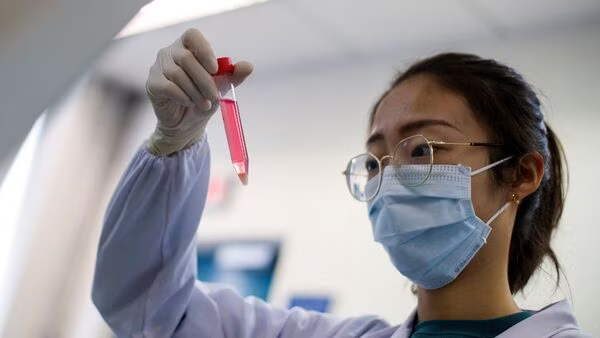
NoPro-clipping works in two steps. First, the Ub-clippase enzyme BpJOS clips ubiquitin off its non-protein substrates, converting the ubiquitin modification into diglycine remnants. Second, a bacterial enzyme called Sortase A attaches a small peptide to these diglycine remnants. This two-step process transforms the previously invisible ubiquitin-sugar bond into a peptide-modified species that standard mass spectrometry can readily detect.
Without this four-year engineering effort, the mechanism would have remained invisible indefinitely.
What the Team Found When They Looked
When the WEHI team applied NoPro-clipping to mouse and human cells and tissues, the results were striking.
We report NoPro-clipping as a mass-spectrometry-based technique that combines ubiquitin clippases with sortase labelling. Targeted and untargeted workflows unveil a vast new canvas of ubiquitin modifications in mammalian cells, and in mouse and human tissues.
Headline finding
Ubiquitin attaches directly to glucose residues within glycogen in essentially every glycogen-containing tissue examined.
The headline finding: ubiquitin attaches directly to glucose residues within glycogen in essentially every glycogen-containing tissue they examined. Not occasionally, not in trace amounts. At surprisingly high abundance. The amount of ubiquitin tagging glycogen was not a marginal or incidental signal. It was a systematic, substantial, widespread phenomenon that had simply been invisible to every previous method used to study ubiquitination.
Then came the functional data, which is what transforms a biochemical curiosity into a scientific discovery with medical implications.
The team tracked glycogen levels and glycogen ubiquitination in mice during cycles of feeding and fasting. The pattern they observed was clear and consistent: as the mice entered a fasting state and their liver glycogen stores were depleted, the density of ubiquitin tags on the remaining glycogen increased substantially.
Glycogen depletion in the liver during fasting coincides with elevated glycogen ubiquitination, suggesting that ubiquitin is a previously unknown component of physiological glycogen catabolism.
In other words, ubiquitin is not just a passenger on glycogen during fasting. Its presence tracks with glycogen breakdown. When glycogen needs to go, ubiquitin tags increase. When glycogen stores are full, the tagging is lower. This is the behavioral signature of a regulatory system, something that responds to the metabolic state of the cell and adjusts accordingly.
The team went further. They used pharmacological tools to artificially increase glycogen ubiquitination in cells when glycogen levels were high. The result: glycogen levels went down. Driving up the ubiquitin tagging of glycogen caused its breakdown to accelerate.
Why this matters
Ubiquitin may be part of a second pathway for breaking down glycogen on demand.
We’ve uncovered a second pathway where glycogen can be directly regulated, likely on demand, Komander said. This is an exciting breakthrough for people living with diseases caused by excessive glycogen.
The phrase “on demand” is important. The known mechanisms of glycogen breakdown involve enzymes called glycogen phosphorylase and glycogen debranching enzyme, which are regulated by hormonal signals like glucagon and adrenaline. The ubiquitin pathway appears to represent an additional, possibly parallel system for controlling glycogen catabolism, one that operates through a different molecular mechanism and that may respond to different cellular signals.
The Extended Canvas: Beyond Glycogen
The discovery did not stop at glycogen. Because NoPro-clipping is capable of detecting any non-protein ubiquitination event, the team used it as a discovery tool, asking an open question: what else has ubiquitin been quietly tagging that we never knew about?
The answer was unexpected even by the standards of a study that had already produced a major surprise.
Beyond sugar
The team also found ubiquitinated metabolites like glycerol and spermine, expanding ubiquitin biology beyond proteins and glycogen.
Not only can we use it to detect ubiquitinated glycogen, but we can also uncover ubiquitinated metabolites like glycerol and spermine, which we’ve discovered for the first time in all our cells, said Marco Jochem.
Glycerol is a backbone molecule for fats, a central component of triglycerides and phospholipids. Spermine is a polyamine, a small molecule involved in cell growth, DNA stability, and regulation of cellular processes including ion channels and protein synthesis. Neither glycerol nor spermine is a protein. Neither had ever been known to be a ubiquitin target.
Their discovery as ubiquitin substrates suggests that the biology of ubiquitin is even wider than the WEHI team’s initial glycogen findings indicated. The extent to which ubiquitin modifies other small molecules, other metabolites, other non-protein biomolecules across the cellular biochemical landscape, remains largely unknown. NoPro-clipping has opened a door onto a room whose contents have never been inventoried.
NoPro-clipping unveils unexpected endogenous non-proteinaceous targets of ubiquitination, broadening the role of ubiquitin from a protein modifier to a general modifier of biomolecules.
That sentence, from the Nature abstract, is one of the most consequential in recent biochemistry. Ubiquitin is no longer a protein modifier. It is a general modifier of biomolecules.
The Connection to Glycogen Storage Diseases
Before examining the diabetes implications specifically, it is worth dwelling on the rarer conditions that this discovery could more immediately help.
Glycogen Storage Diseases affect approximately 1 in 20,000 to 1 in 40,000 people, depending on the specific subtype. They are caused by inherited mutations in enzymes that participate in glycogen synthesis or breakdown. The result is the accumulation of glycogen in specific tissues, causing progressive damage.
Pompe disease, caused by deficiency of the enzyme acid alpha-glucosidase, leads to accumulation of glycogen in muscle cells, causing progressive muscle weakness and, in the severe infantile form, fatal heart failure in the first year of life. The only approved treatment is enzyme replacement therapy, which requires lifelong biweekly intravenous infusions and manages rather than cures the disease.
Von Gierke disease, caused by glucose-6-phosphatase deficiency, causes massive glycogen accumulation in the liver and kidneys, with severe hypoglycemia in infants and progressive liver and kidney disease over time. Management requires strict dietary regimens and does not address the root cause.
For most subtypes of GSD, there are no approved pharmacological treatments at all.
Therapeutic possibility
If glycogen ubiquitination can be increased safely, it might offer a way to reduce harmful glycogen buildup.
The WEHI discovery raises the possibility, still theoretical but now scientifically grounded, that pharmacologically increasing glycogen ubiquitination could accelerate glycogen breakdown in cells where the normal enzymatic machinery is defective. If the ubiquitin pathway provides an independent route to glycogen catabolism, then manipulating that pathway might bypass the broken enzyme and reduce glycogen accumulation through a completely different mechanism.
Glycogen buildup is what causes these disorders. There are currently no therapies that can directly attack the glycogen molecule. That’s why our study is exciting. We’ve found a way to go straight to the source, Komander said.
Implications for Diabetes: Going to the Root
In both type 1 and type 2 diabetes, glycogen regulation is disrupted.
In type 1 diabetes, where insulin-producing beta cells are destroyed by the immune system, the absence of insulin means cells cannot properly regulate glucose uptake and glycogen storage. The liver, which would normally suppress its glucose output after a meal in response to insulin, continues to release glucose into an already hyperglycemic bloodstream. Abnormal glycogen metabolism in the liver is a central feature of poorly controlled type 1 diabetes.
In type 2 diabetes, where cells become resistant to insulin and the pancreas eventually fails to produce enough of it, the liver similarly fails to suppress glucose release appropriately. Hepatic glycogen metabolism is disrupted, and excess glycogen accumulation in the liver contributes to the metabolic dysregulation that defines the disease.
Current treatments for diabetes work at multiple levels. Insulin and insulin analogues replace or supplement the missing hormone. Metformin suppresses liver glucose production. GLP-1 receptor agonists like semaglutide, sold as Ozempic and Wegovy, stimulate insulin release and reduce appetite. SGLT2 inhibitors cause the kidneys to excrete excess glucose in urine. All of these treatments are effective. None of them directly regulates the glycogen molecule itself.
Why this is different from current diabetes drugs
Most treatments manage blood sugar or hormones. This discovery points toward directly regulating stored sugar itself.
While most current diabetes treatments focus on managing blood glucose levels or modulating hormones to influence how that glucose is handled, this discovery targets the storage depot itself. As a treatment approach, that is a critically important distinction.
If a drug can be designed that modulates glycogen ubiquitination in the liver, increasing it when glycogen levels are too high, or ensuring it responds appropriately to metabolic signals that are blunted in diabetes, it would represent the first class of therapy to directly target the stored sugar at its molecular level. Not managing blood glucose downstream of the problem, but addressing the accumulation of glycogen in the organ that is the central node of glucose homeostasis.
Exciting new drugs such as Ozempic are transforming how we manage blood sugar, indirectly via hormonal regulation. Without being able to regulate glycogen itself, it is hard to combat its accumulation, which is the root cause of many diseases. That’s why our study is exciting, Komander explained.
The Technique That Made This Possible: Four Years in the Making
The NoPro-clipping technique deserves its own space in this article because, without it, none of what was discovered would have been findable.
Science is frequently limited not by the intelligence of researchers or the sophistication of their hypotheses, but by the resolution of their tools. The history of biology is largely a history of technological breakthroughs enabling biological discoveries: the microscope revealing the cell, X-ray crystallography revealing the double helix, polymerase chain reaction enabling genetic analysis from tiny samples, cryo-electron microscopy enabling near-atomic imaging of molecular machines.
NoPro-clipping is a tool of this kind. It was not invented to make this specific discovery. It was invented to extend the capability to see ubiquitination beyond the boundary that all previous methods had assumed was the limit of what ubiquitin does.
The method relies on two enzymes working in sequence. The Ub-clippase BpJOS clips ubiquitin off its non-protein substrates, releasing a diglycine remnant. The bacterial enzyme Sortase A then attaches a small peptide to this remnant. This two-step chemical transformation converts an otherwise invisible molecular signature into one that mass spectrometry proteomics workflows can find and characterize.
Tool-driven discovery
Sometimes biology changes not because someone asks a new question, but because someone finally builds a tool that can see the answer.
Key enzymes in method development are Ub-clippases and Sortase, which when used together enable selective peptide labelling of clippase products. Our method relies on the breakdown of ubiquitinated macromolecules into small molecule, metabolite-like species.
Without our tools and method, this remarkable process would have remained invisible, Dr Cobbold said. That’s the beauty of NoPro-clipping. It’s allowing us to study a canvas of molecules the ubiquitin field has overlooked all this time.
The development took four years. That timeline reflects the difficulty of building a tool sensitive enough to detect ubiquitin modifications on non-protein molecules in complex biological samples containing thousands of different molecular species. Every step of the workflow had to be optimized: the cleavage efficiency of BpJOS, the specificity of Sortase A, the conditions under which the chemical transformations occurred, the mass spectrometry parameters that allowed the resulting peptide-modified species to be identified and quantified.
The payoff was a technology that opens not just one discovery, but an entire new category of questions about what ubiquitin is doing across the full breadth of cellular biochemistry.
Glycogen Ubiquitination Is Altered in Disease
Among the most clinically meaningful findings reported in the Nature paper is the observation that glycogen ubiquitination is modulated in Glycogen Storage Diseases.
This is a significant finding because it means the phenomenon is not merely a normal physiological regulatory event that happens to be newly discovered. It is a process that is measurably disrupted in states of disease, which is precisely the kind of evidence that supports the potential for therapeutic intervention.
In cells from patients with specific glycogen storage diseases, the pattern of glycogen ubiquitination differed from that in healthy cells. The specific details of how the pattern changes in different disease subtypes will require further characterization, but the observation that the system is responsive to the pathological state of glycogen metabolism is encouraging. It suggests that the pathway is active and regulated in ways that track with disease, not just a background biochemical event unrelated to pathology.
Disease relevance
The pathway is not just present. It appears to change in disease states, making it a possible therapeutic target.
The ubiquitin signaling machinery that controls glycogen tagging appears to include the Met1-polyubiquitin machinery, a specific chain-building system within the broader ubiquitin network. This gives researchers an initial molecular handle for understanding how the pathway is regulated and potentially how it could be pharmacologically targeted.
What Comes Next: From Discovery to Therapy
The Nature paper establishes the existence of a previously unknown regulatory mechanism. It does not, by itself, describe drugs, clinical trials, or approved treatments. The path from fundamental discovery to therapeutic application is long and difficult, and many discoveries that transform basic understanding of biology take years or decades to translate into medicine.
But the direction is clear, and the team is already pursuing it.
The immediate next steps involve characterizing the molecular machinery of glycogen ubiquitination in much greater detail. Which E3 ubiquitin ligases, the enzymes responsible for attaching ubiquitin to specific targets, are responsible for ubiquitinating glycogen? What signals control their activity? What proteins recognize ubiquitinated glycogen and carry out its degradation? Answering these questions will identify the specific molecular targets that drugs could act on.
Once those targets are identified, drug screening campaigns can begin, searching for small molecules that either increase or decrease glycogen ubiquitination in a dose-dependent manner. Given the importance of glycogen metabolism across multiple disease contexts, the therapeutic applications could span rare diseases with no current treatment, common metabolic diseases like type 2 diabetes and non-alcoholic fatty liver disease, and potentially cardiac conditions where glycogen accumulation in heart muscle contributes to organ dysfunction.
The next frontier
Researchers now need to identify the enzymes, signals, and druggable nodes controlling glycogen ubiquitination.
The possibilities extend further still. NoPro-clipping has already revealed that glycerol and spermine are ubiquitinated in cells. If ubiquitin modifies other metabolites whose levels are dysregulated in disease, the tool that made the glycogen discovery possible may lead to an entire new catalogue of regulatory events, each of which is a potential target for therapeutic intervention.
Our discovery is rewriting the fundamental rules of biology and ubiquitin signalling. And I’m sure we’ve only hit the tip of the iceberg, Dr Cobbold said.
What Biology Books Will Need to Say
Professor Komander has made a statement that is unusual for a scientist of his stature: It’s quite likely biology books will need to be amended as a result of our findings.
This is not hyperbole, at least not in the scientific sense. The canonical account of ubiquitin biology, as it currently appears in every biochemistry textbook and is taught in every university course on cell biology, states that ubiquitin modifies proteins. This statement is accurate as far as it goes, but it is now demonstrably incomplete.
Textbook update
Ubiquitin modifies proteins, but it also modifies non-protein biomolecules including sugars and metabolites.
Ubiquitin also modifies glycogen, a sugar. It modifies glycerol, a lipid backbone molecule. It modifies spermine, a polyamine. These are not proteins. The rule that ubiquitin modifies proteins was not wrong. It was an incomplete characterization of a system that turns out to be broader than fifty years of study had revealed.
For students learning biochemistry in the next few years, the sentence will need to be: ubiquitin modifies proteins, and also non-protein biomolecules including sugars and metabolites, through a distinct chemical mechanism that regulates their metabolism in response to cellular signals.
That is a more complicated sentence. But it is the accurate one.
The Unsung Hero
Dr Simon Cobbold’s description of ubiquitin as “an unsung hero that has been quietly working in the background all this time, keeping us alive” is scientifically precise in a way that resonates beyond the laboratory.
We live in a world that generates an enormous amount of waste. Biological systems are no different. Cells continuously produce proteins, process nutrients, and generate metabolic byproducts. Managing all of this, deciding what to keep, what to break down, what to mobilize, and when, is a regulatory problem of staggering complexity.
Ubiquitin has been one of the primary solutions to this problem for the last billion-odd years of eukaryotic life. And now we know it has been doing more than we knew, managing not just proteins but sugars and small molecules, tagging glycogen during fasting when the liver needs to mobilize energy, presumably doing things to glycerol and spermine that we have not yet fully characterized.
The hero of the story has been here all along. We just developed tools good enough to see it properly.
References and Attributions
Primary Source:
Jochem M., Cobbold S.A., Goodman C.A., Kueng C., Cerra A., Fielden L.F., Kim M.L., Schenk P., Agarwal R., Wang X.S., Scutts S.R., Pandos M., Tang L., Hermanns T., Devine S.M., Brzozowski M., Shibata Y., Geoghegan N.D., McLean C.A., Lechtenberg B.C., Hofmann K., Gregorevic P., Komander D. “Ubiquitination of glycogen and metabolites in cells and tissues.” Nature, April 22, 2026.
DOI: 10.1038/s41586-026-10548-x
URL: https://www.nature.com/articles/s41586-026-10548-x
Institutional Press Release:
Walter and Eliza Hall Institute of Medical Research. “Sweet discovery rewrites understanding of how our bodies store sugar.” April 24, 2026.
URL: https://www.wehi.edu.au/news/sweet-discovery-rewrites-understanding-of-how-our-bodies-store-sugar/
Nobel Prize background:
Nobel Prize in Chemistry 2004. Popular Information. Nobel Prize Committee.
URL: https://www.nobelprize.org/prizes/chemistry/2004/popular-information/
Nobel Prize in Chemistry 2004. Advanced Information.
URL: https://www.nobelprize.org/uploads/2018/06/advanced-chemistryprize2004.pdf
Ubiquitin and proteasome background:
Ciechanover A., Hershko A., Rose I.A. Discovery of ubiquitin-mediated protein degradation. PNAS, 1980.
Hershko A., Ciechanover A. “The ubiquitin system.” Annual Review of Biochemistry, 1998; 67: 425-479.
Hochstrasser M. “Ubiquitin, proteasomes, and the regulation of intracellular protein degradation.” Current Opinion in Cell Biology, 1995.
Glycogen biochemistry:
Cori C.F., Cori G.T. Structural studies of glycogen. Nobel Lecture, 1947.
Commentary and coverage:
AZO Life Sciences. “Uncovering a second pathway for on-demand glycogen regulation.” April 24, 2026.
URL: https://www.azolifesciences.com/news/20260424/Uncovering-a-Second-Pathway-for-On-Demand-Glycogen-Regulation.aspx
Medical Republic. “A potential new way to target excess glycogen stores.” April-May 2026.
URL: https://www.medicalrepublic.com.au/a-potential-new-way-to-target-excess-glycogen-stores/125415
Medical Xpress. “Sweet discovery rewrites understanding of how our bodies store sugar.” April 24, 2026.
URL: https://medicalxpress.com/news/2026-04-sweet-discovery-rewrites-bodies-sugar.html
BioEngineer.org. “Ubiquitination’s role in glycogen metabolism.” April 2026.
URL: https://bioengineer.org/ubiquitinations-role-in-glycogen-metabolism/
SciTechDaily. “Scientists Just Rewrote Biology: Hidden Mechanism Could Transform Diabetes Treatment.” May 11, 2026.
URL: https://scitechdaily.com/scientists-just-rewrote-biology-hidden-mechanism-could-transform-diabetes-treatment/
Lead researchers:
Professor David Komander, Head, Ubiquitin Signalling Division, WEHI, Parkville, Victoria, Australia.
Dr. Simon Cobbold, Co-lead Author, Ubiquitin Signalling Division, WEHI.
Marco Jochem, PhD student and first author, WEHI.
Collaborating institutions:
Walter and Eliza Hall Institute of Medical Research (WEHI), Melbourne, Australia
The University of Melbourne, Melbourne, Australia
University of Cologne, Cologne, Germany
Alfred Health, Melbourne, Australia
Funding:
National Health and Medical Research Council (NHMRC), Australia
National Institutes of Health (NIH), United States
Victorian Government, Australia




0 Comments